Research
How has the diversity of life forms come to be? This central question in evolutionary biology can be addressed at different scales: by studying the processes that drive modifications within populations of organisms (microevolution), or by investigating patterns of changes on the tree of life (macroevolution). I address this question from both angles to provide insights into the ultimate and proximate drivers of morphological and behavioral diversity. In this endeavor, I have especially been focusing on the evolution of sexual dimorphism and sexually selected weapons in many different arthropod systems.
One of my major interests is to study cases of repeated evolution from the phenotypic to the molecular level (i.e., gene reuse). Why do similar traits evolve repeatedly in different lineages? What is the role of selection and constraints? What are the factors affecting the likelihood of repeated evolution? Are they similar across levels? Stick insects (insect order Phasmatodea) are an ideal system to study these question as they display an incredible morphological diversity with many different traits evolving independently in different corners of the world.
Below, you will find details about my past and ongoing projects. Do not hesitate to reach out with questions!
Ongoing projects
Repeated evolution at the gene expression level -
Study of repeated wing losses in stick insects
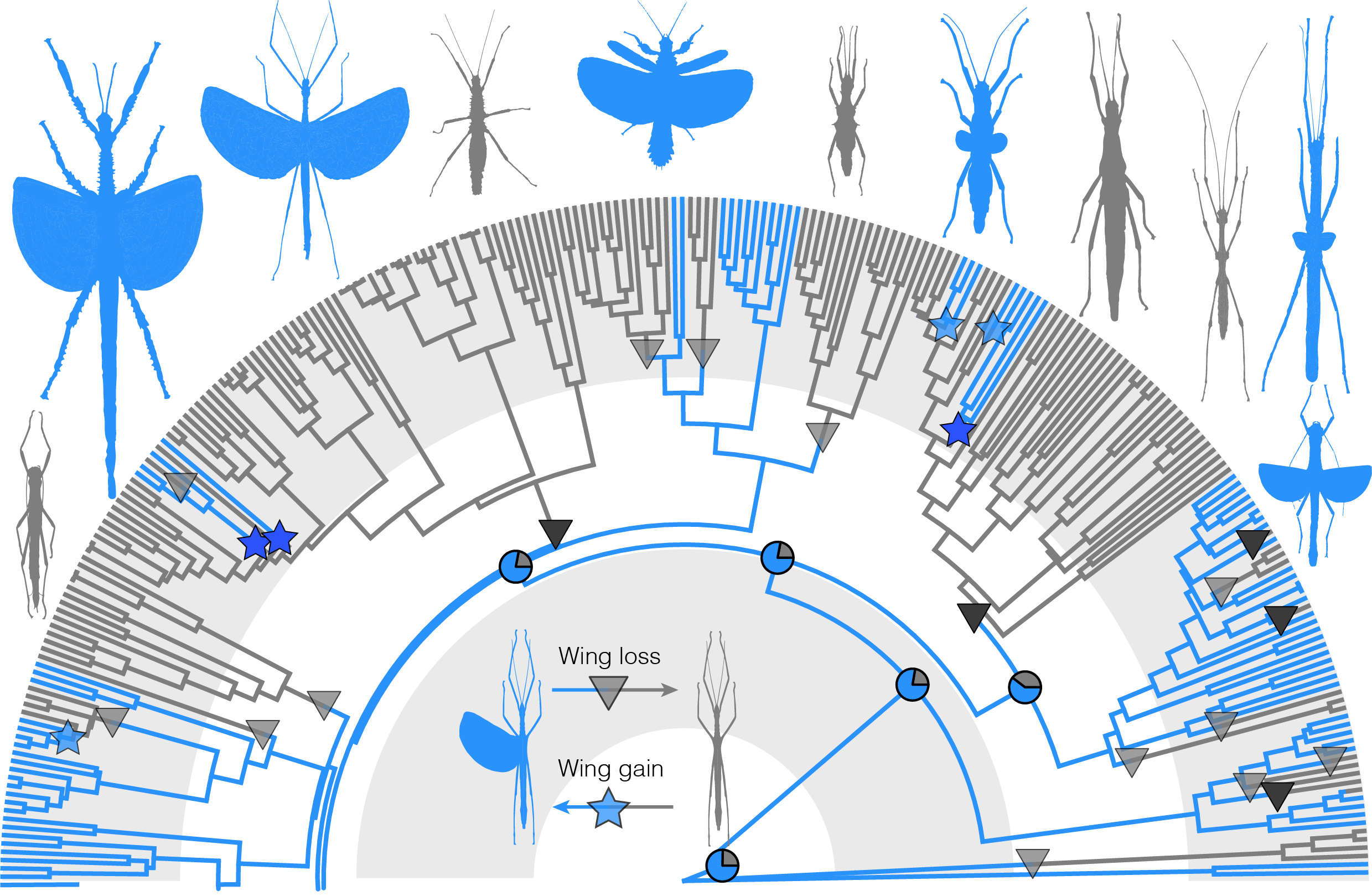
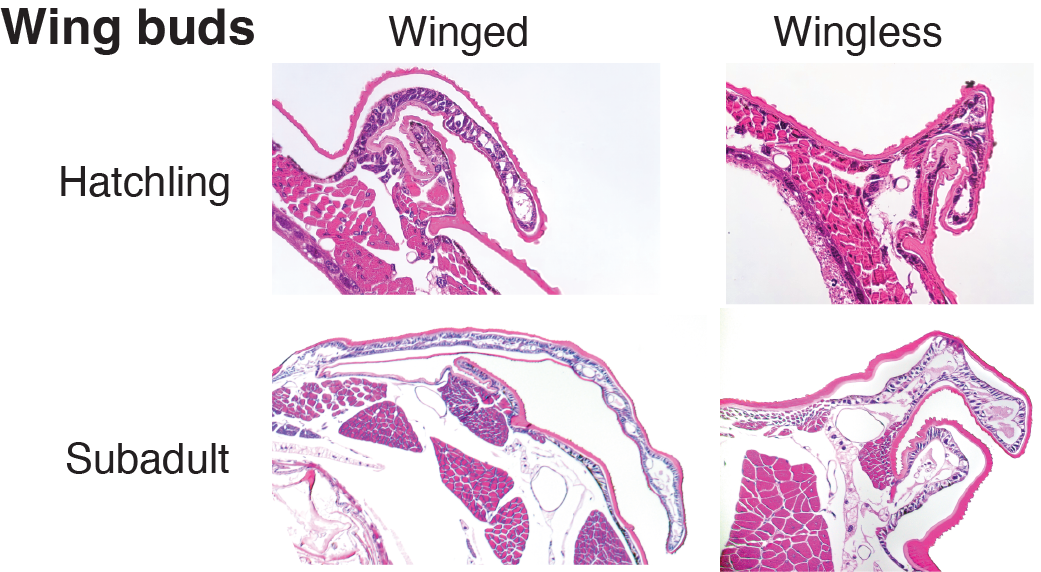
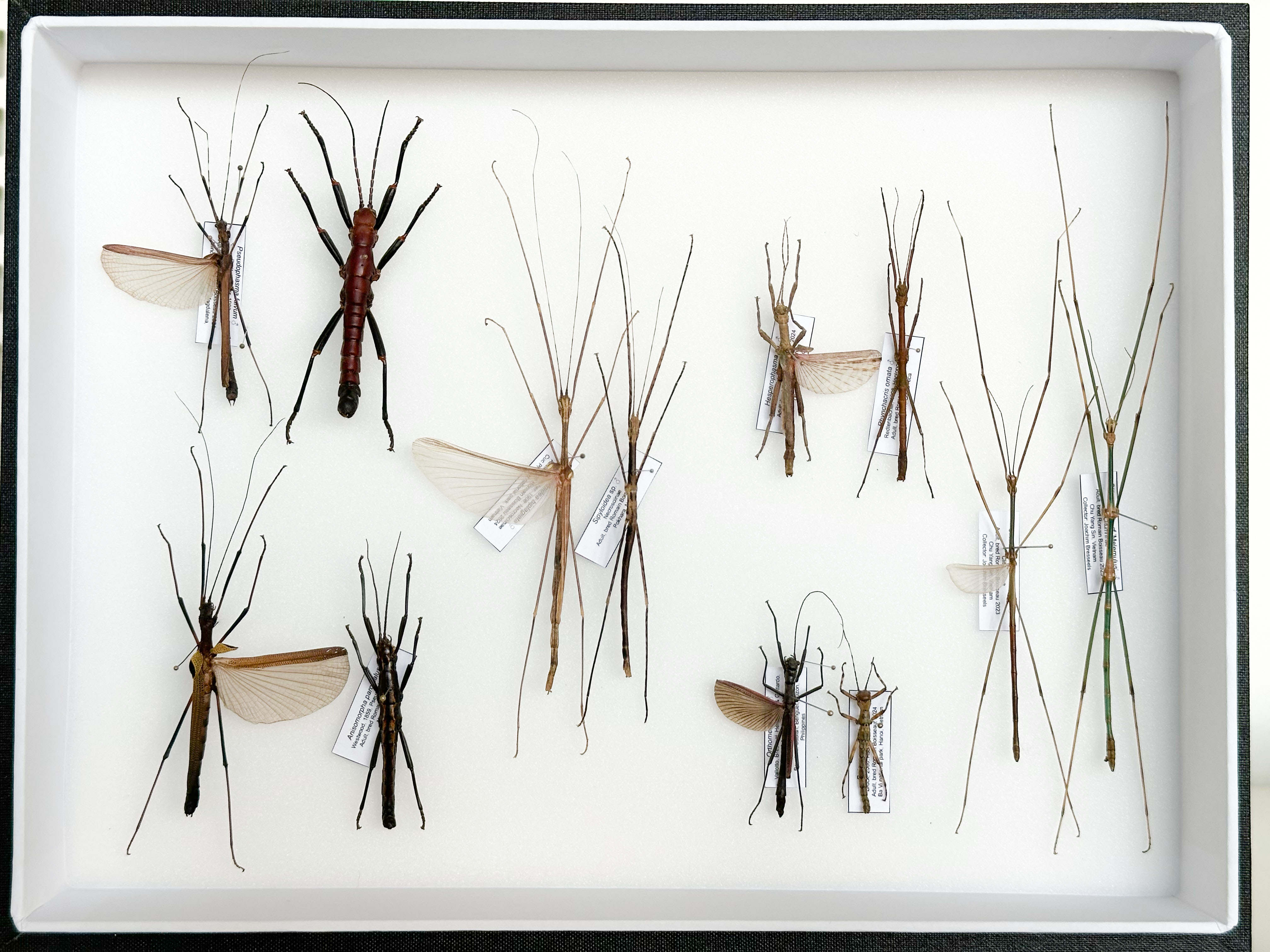
Many lineages of stick insects have independently lost their wings. While very common in insects, the molecular mechanisms underlying wing loss and the extent to which these occurrences involve similar changes at the molecular level (e.g., reuse the same genes) remain unknown. During my postdoc at the University of Lausanne (2023-now), I am leveraging this system to study the effect of divergence time between convergent lineages on the propensity to reuse the same molecular mechanisms. This project is supported by an SNSF postdoctoral fellowship (Swiss equivalent to the European MSCA Fellowship).
Macroevolution of Parthenogenesis
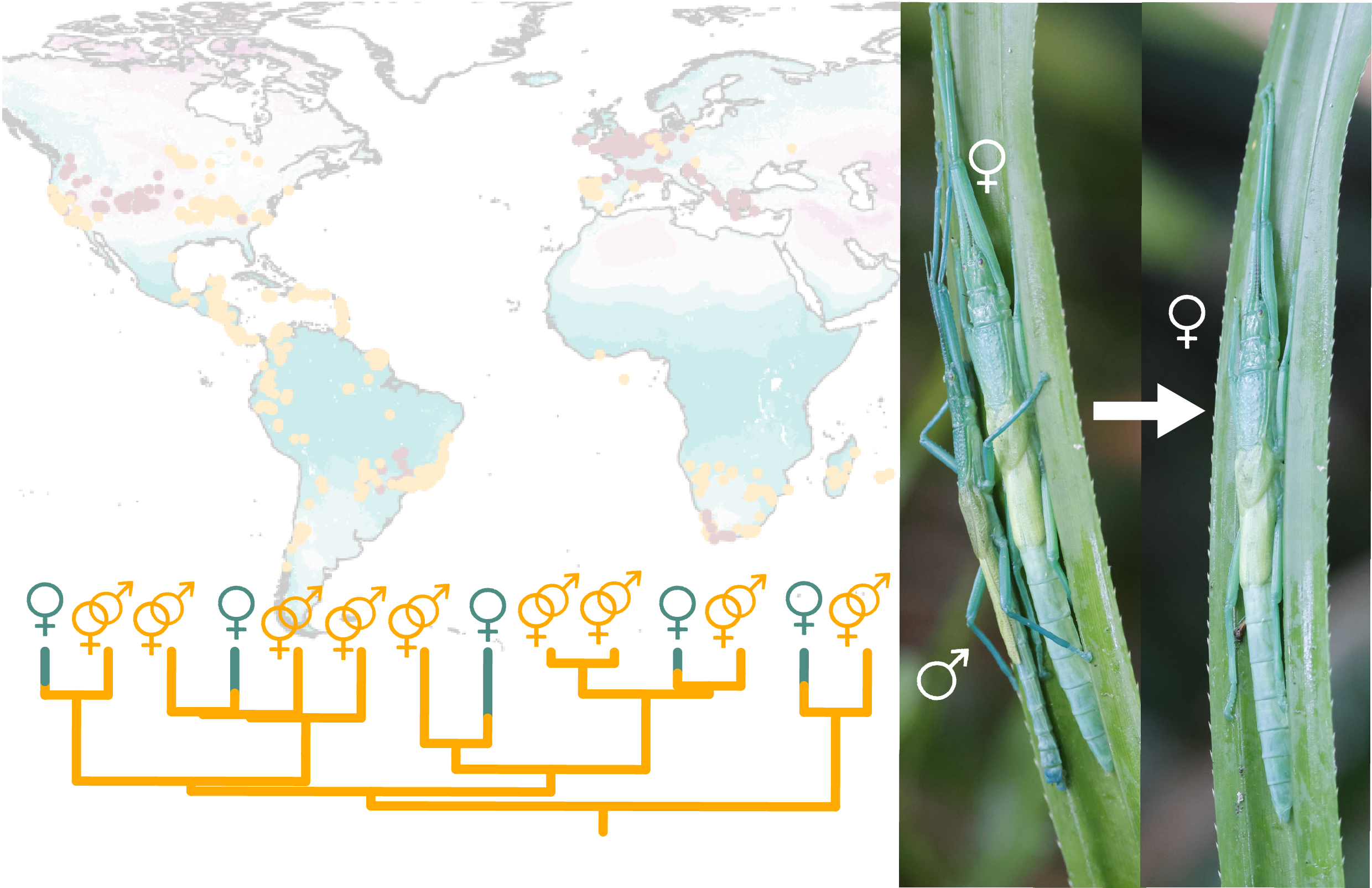
Parthenogenesis, where females develop from unfertilized eggs, has independently evolved hundreds, if not thousands, of times across insects. However, the factors that drive the loss of males in lineages are not well understood. We are currently (2024-now) investigating these factors (e.g., loss of flight, environmental factors...) in stick insects which is the insect order with the highest prevalence of parthenogenesis.
Macroevolution of Sexual Dimorphism
in Body Morphology
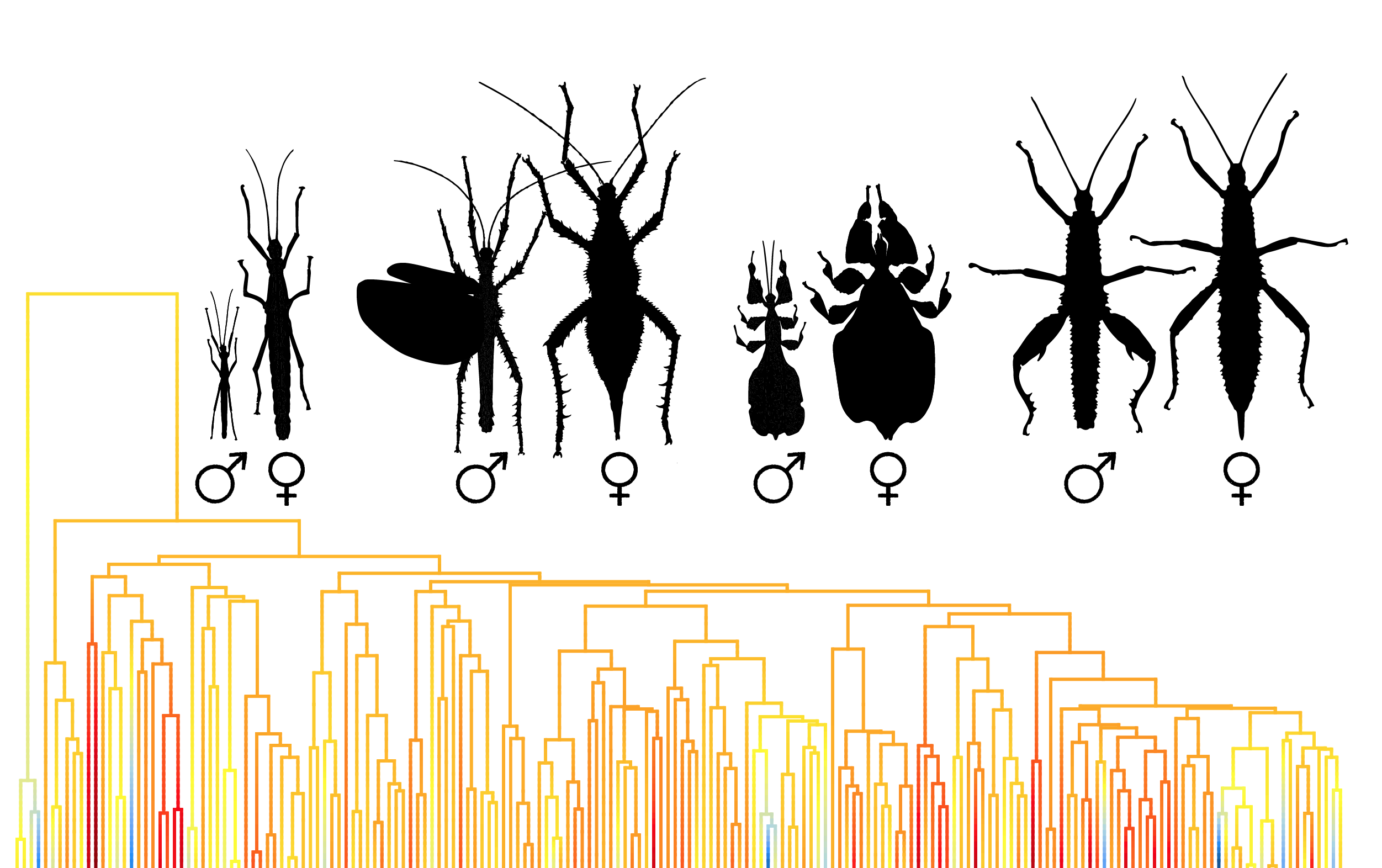
Morphological differences between males and females are very variable across animals. We are investigating the ecological, environmental, life-history and behavioral factors affecting this diversity. Stick and leaf insects are a great model to study this question as, across species, males go from being roughly the same size as females to being more than 10 times smaller. A first version of this project, started in 2018, can be read here .
Evolution of Exaggerated Hindlegs in New Guinean Thorny Devil Stick Insects
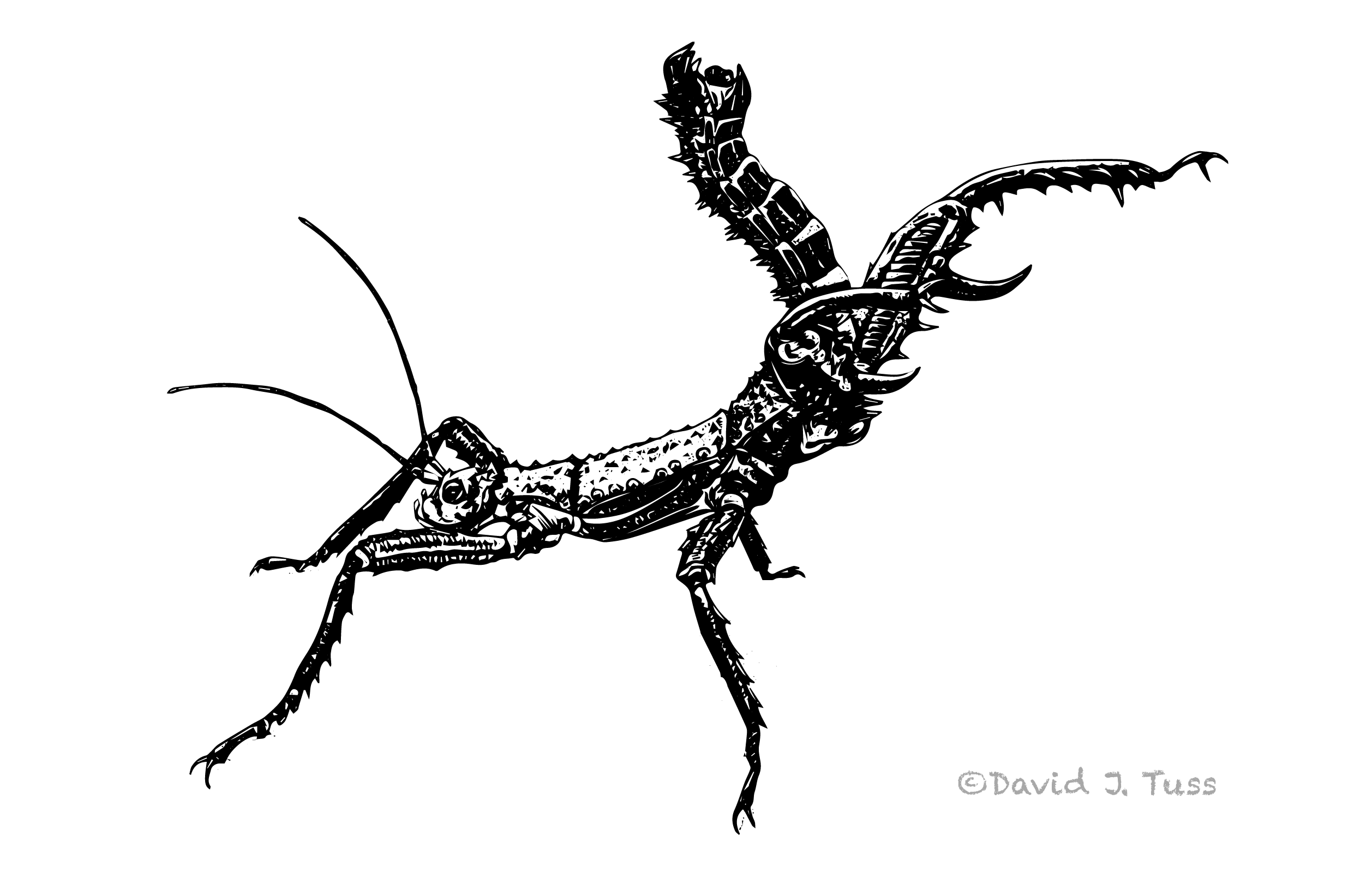
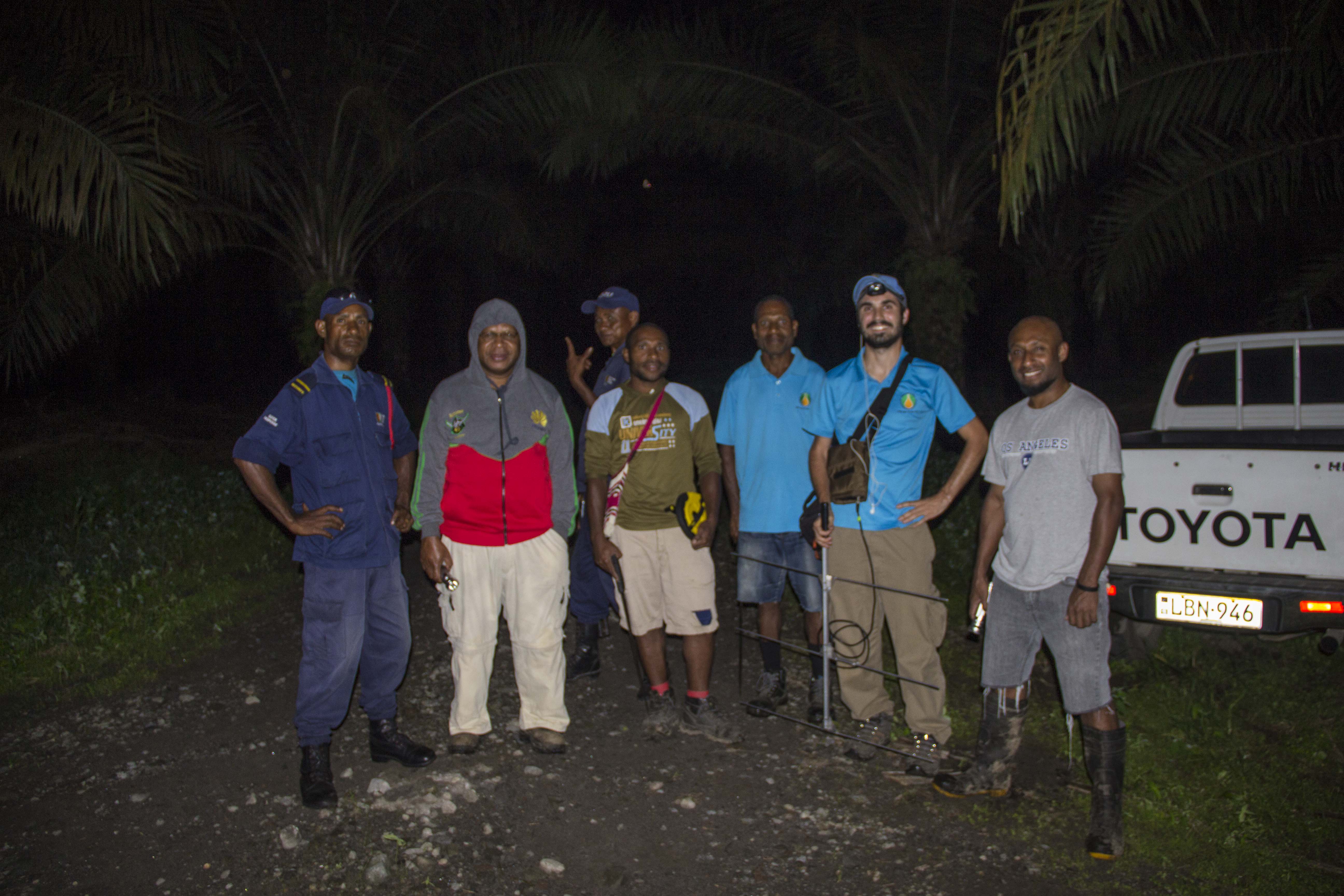
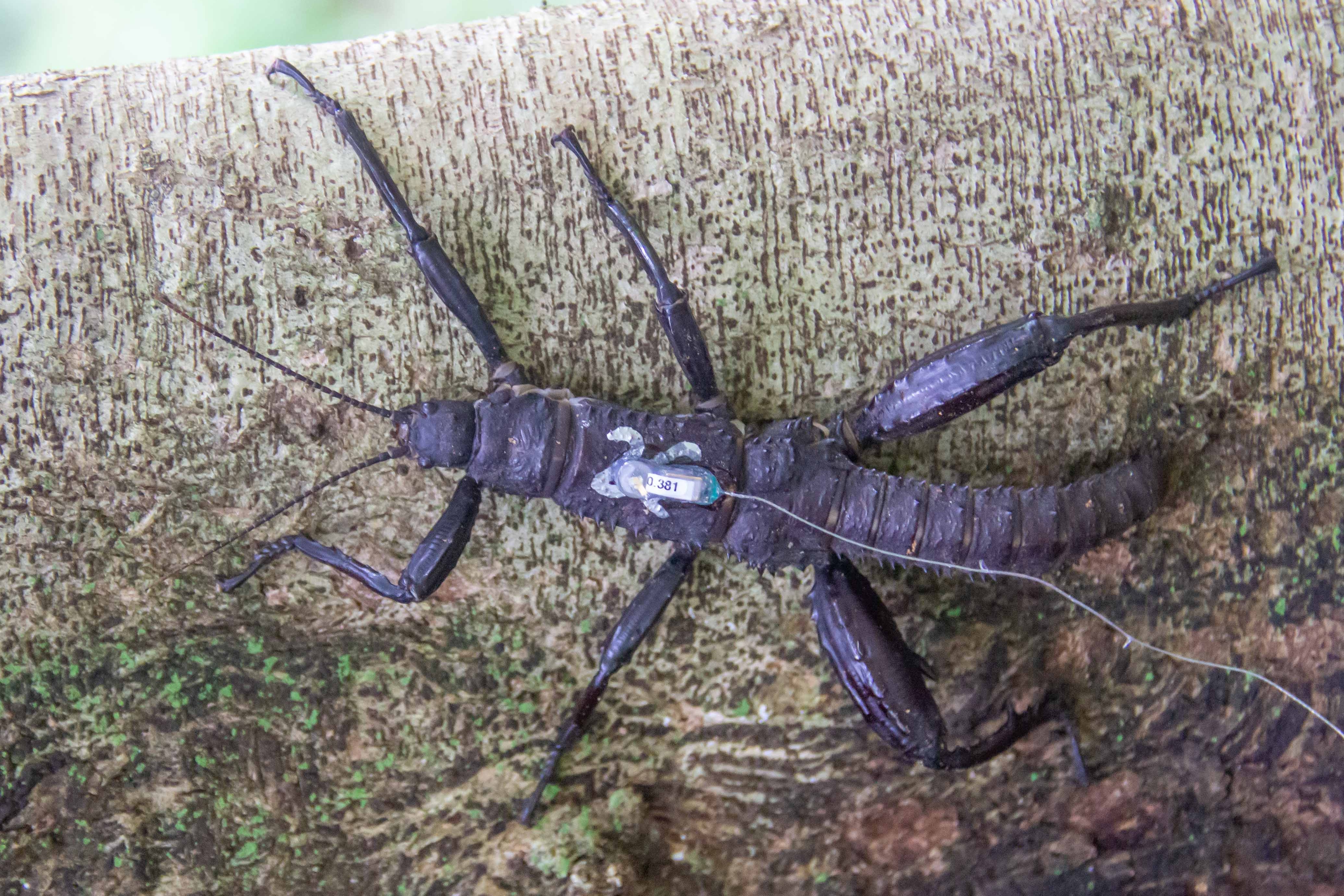
Most sexually selected weapons scale hyperallometrically with body size, meaning that larger individuals develop disproportionately larger or more elaborate versions, exaggerating differences among rivals. Yet some weapons do not follow this pattern, and why scaling varies remains poorly understood. This situation happens in the thorny devil stick insect (Eurycantha calcarata), where males possess greatly enlarged hindlegs used in male–male contests that scale proportionately with body size. During my PhD, I investigated the natural history of this genus in Papua New Guinea (funded by a National Geographic Society Early Career Grant), contest resolution and dynamics in the lab, as well as the costs of these weapons. Some of this work has already been published and highlighted in Science but there is more to come!
Phasmatodata: the World Phasmid Trait Database
Phasmids (stick and leaf insects) are a diverse group of herbivorous insects with remarkable morphological and behavioral diversity, making them an ideal system to address a wide range of eco-evolutionary questions. Understanding this diversity requires comprehensive data on species traits, yet such information is currently scattered across several centuries of publications in multiple languages. To address this, I am developing an open-access online database for archiving and accessing phasmid traits at a global scale. I hope to release it in 2026.
Past projects
Repeated evolution at the phenotypic level -
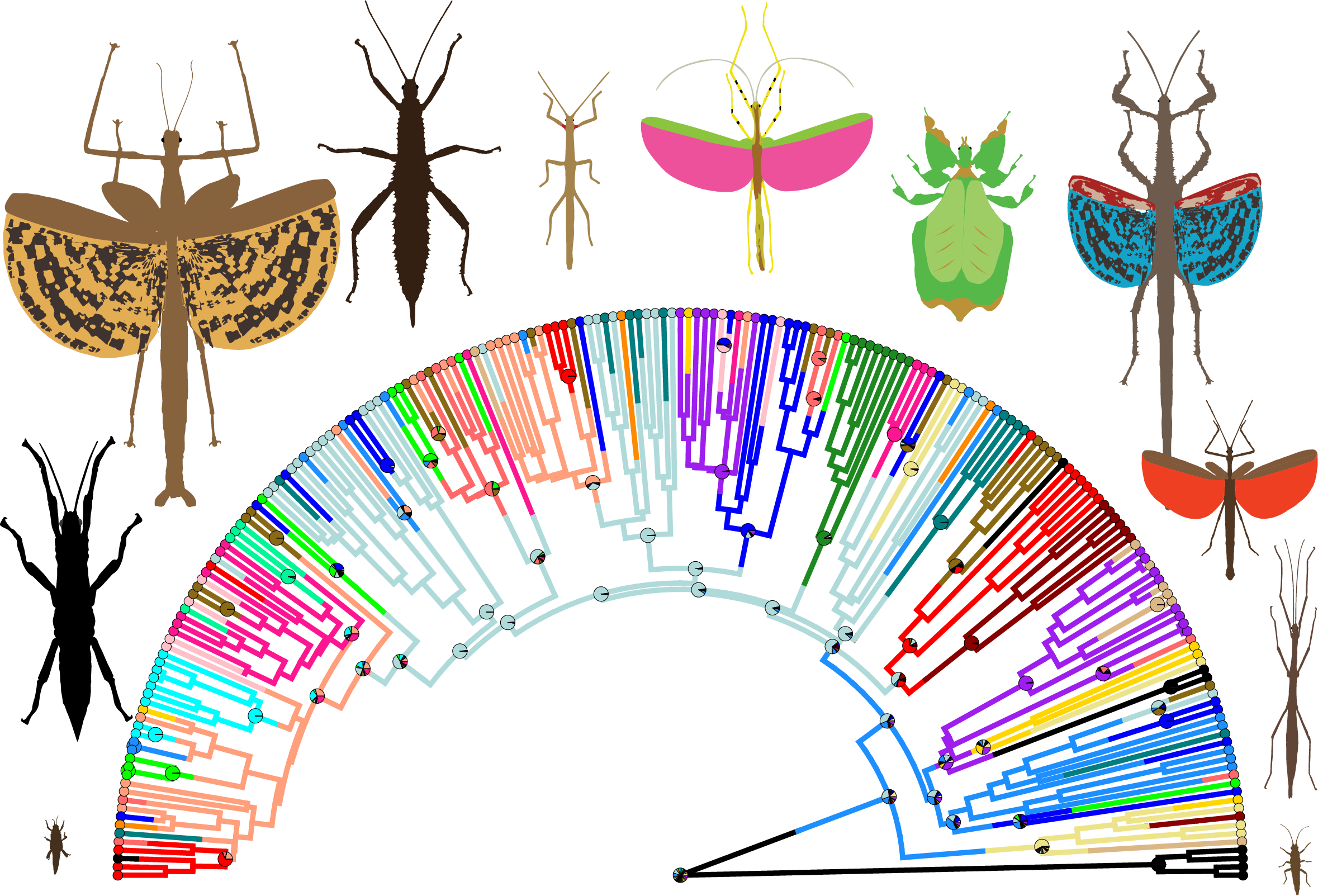
Repeated morphological evolution in stick insects
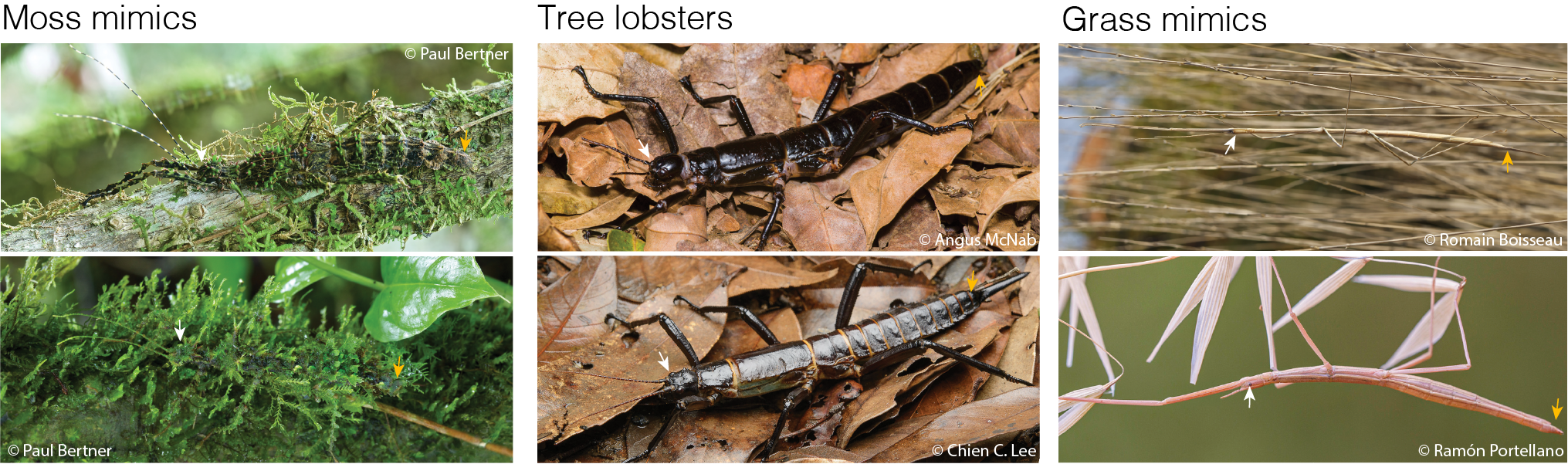
Independent evolution of similar traits in lineages inhabiting similar environments (i.e., convergent or repeated evolution) is rarely perfect. Environment and selective pressures may not be as similar as they appear, and responses to selection are contingent upon available genetic variation, genetic background and developmental mechanisms. Studying many instances of repeated morphological evolution in stick insects, we showed that the similarity of environmental conditions experienced by the organisms — the closeness of the invaded niches — and the extent of elapsed time since divergence, both predict the strength of morphological convergence. The phasmid radiation reveals an evolutionary process that is surprisingly predictable, even when lineages have been evolving independently for tens of millions of years. This study started during my PhD (2018) and was published in PNAS in 2025.
Macroevolution of Egg Morphology
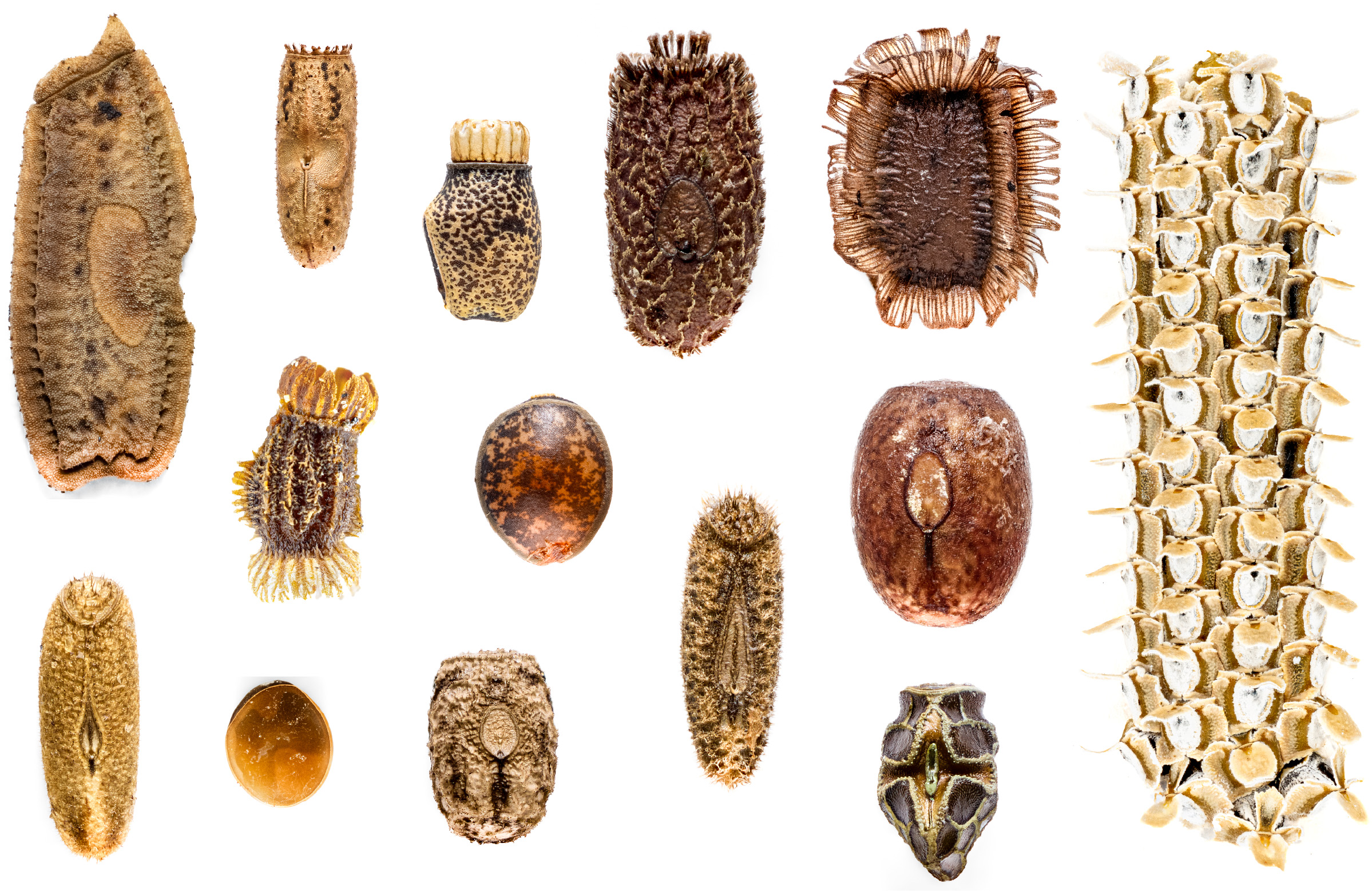
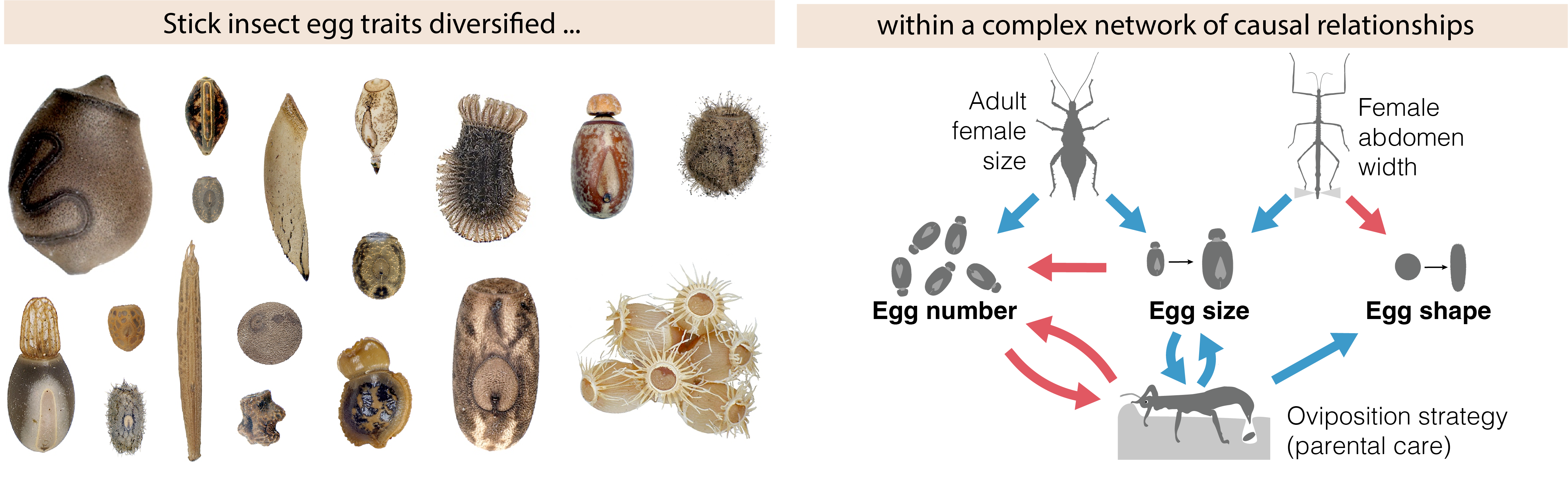
The diversity of insect eggs is astounding but still largely unexplained. Stick insects produce remarkably diverse eggs with a unique hardened shell, which span wide ranges in size, shape, and structure. We investigated the life history, physical, and ecological factors driving egg morphological diversification in this insect order. This study (started in 2020) was published in Current Biology in 2024.
The locomotor costs of large body sizes in searching male leaf insects
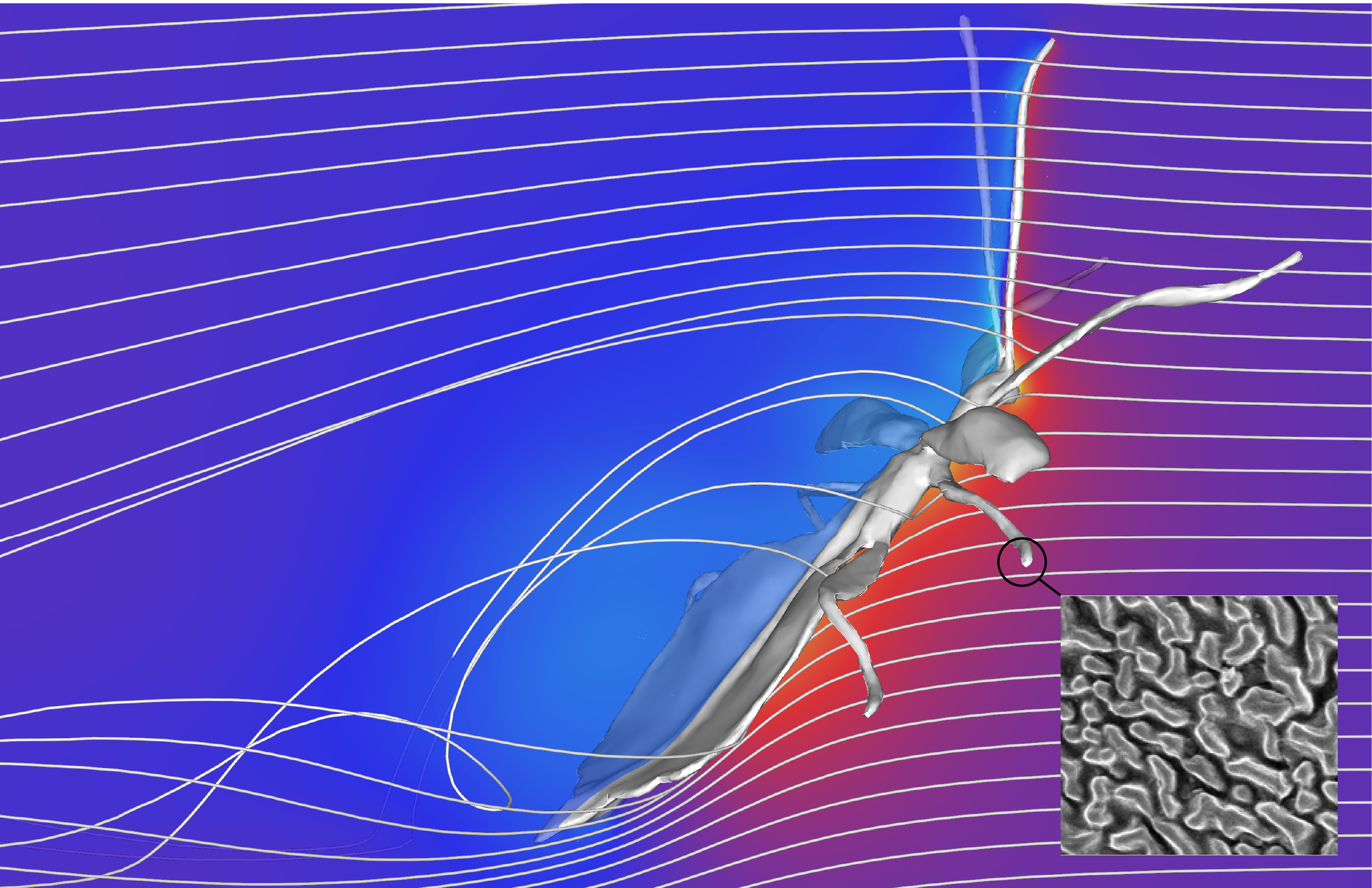
In most arthropods, males are smaller than females, and male competition is a race to quickly locate and mate with scattered females (scramble competition polygyny). While it is widely believed that in such systems small males are advantaged, it is still unclear how different aspects of male body morphology specifically affect their locomotor performance in different contexts. We investigated how differences in size and shape affect flight and locomotion in male leaf insects (Phyllium philippinicum), combining empirical measurements with aerodynamic modeling. This study was published in BMC Ecology and Evolution in 2022.
Repeated evolution of long horns in the Japanese rhinoceros beetle
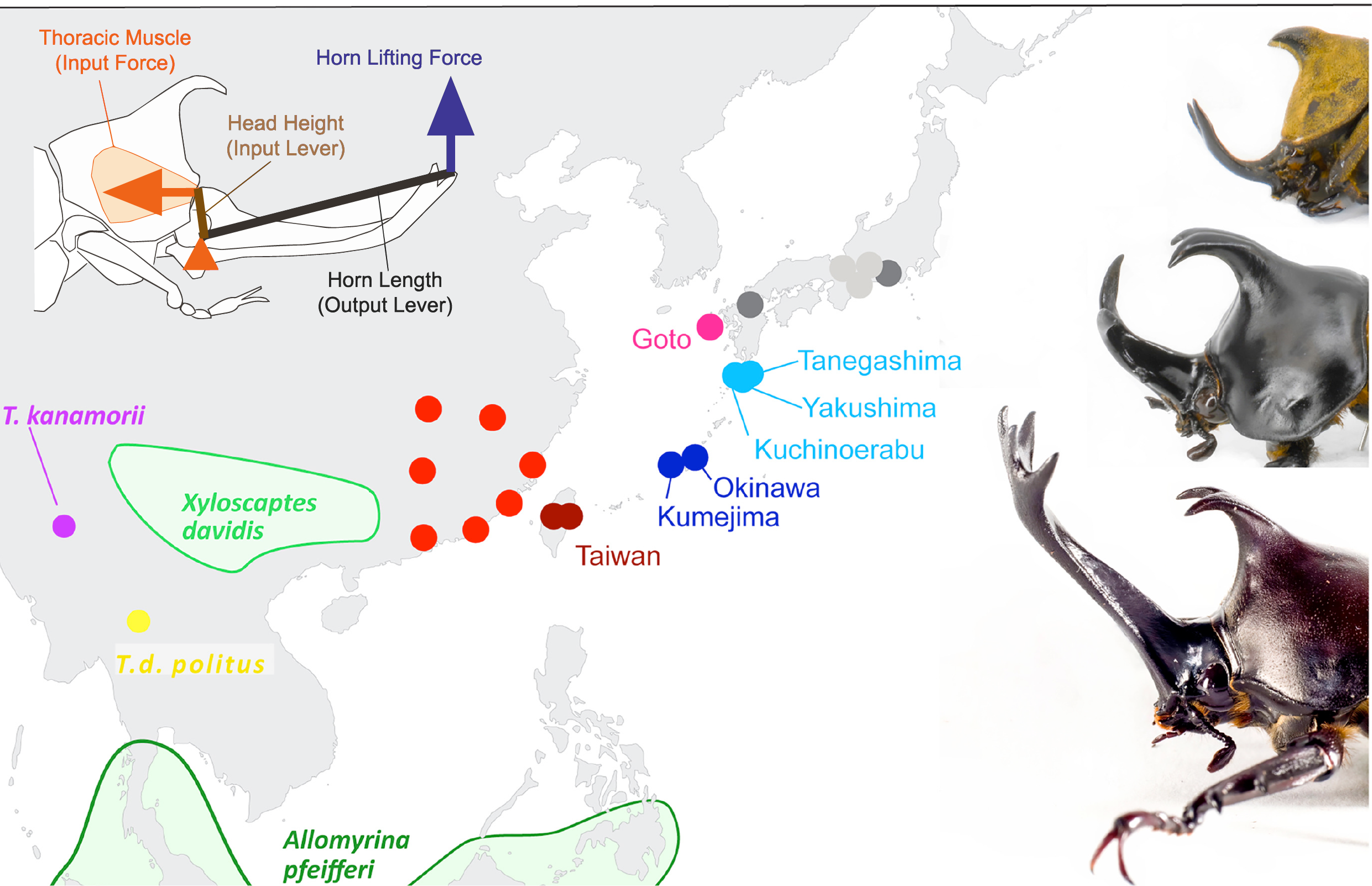
Long horns have evolved independently multiple times in the Japanese rhinoceros beetle Trypoxylus dichotomus, raising questions about what limits the size of such extreme weapons. We investigated how these remarkable structures evolved across populations focusing on their lifting performance. This study was published in Current Biology in 2023.
Horn size and reproductive success in different populations of Rhinoceros Beetles
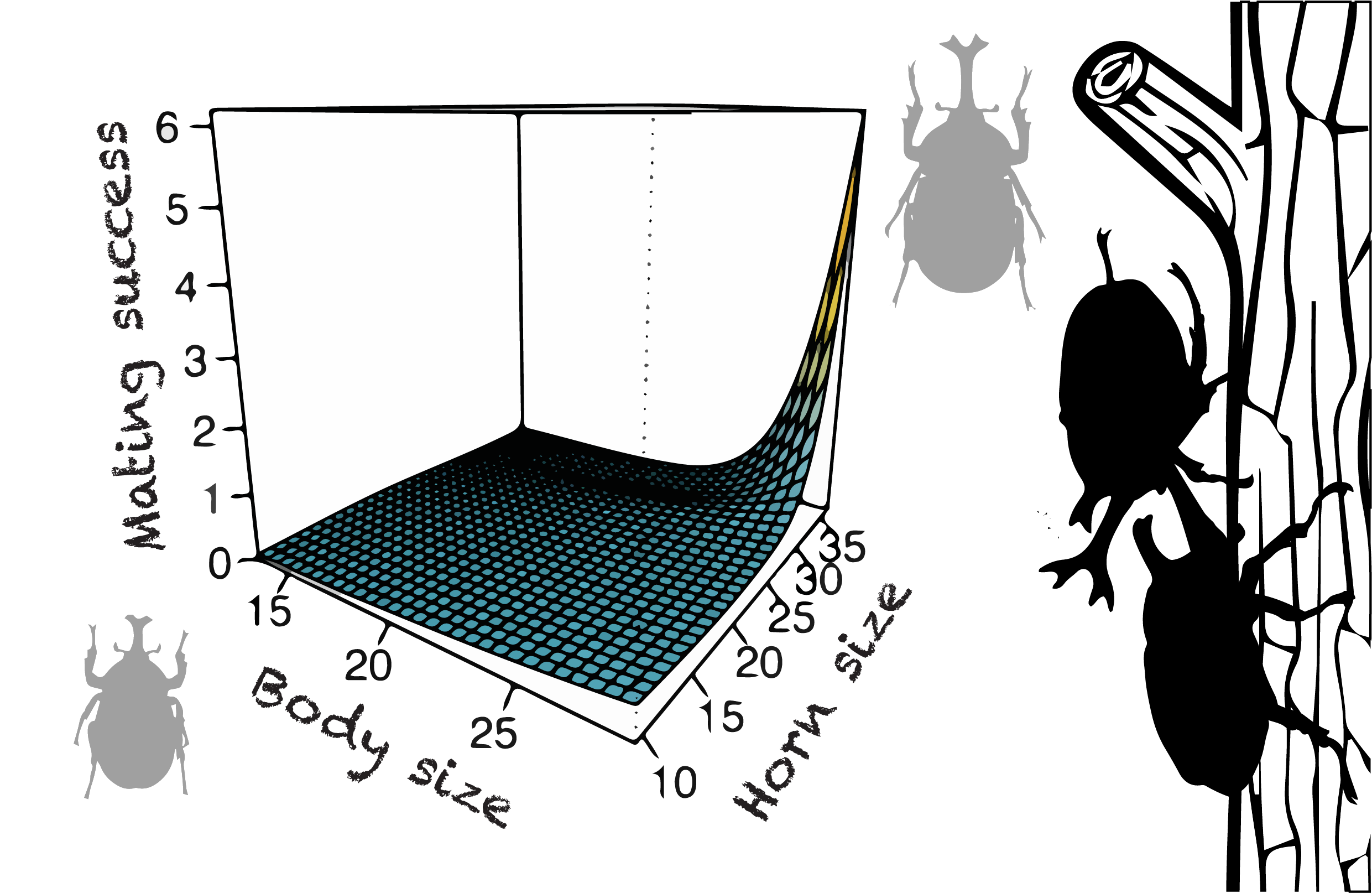
Horn size varies dramatically across populations of the Japanese rhinoceros beetle, Trypoxylus dichotomus, but the ecological factors driving this divergence remain unclear. We investigated how differences in male competition, mating behavior, and habitat conditions might shape variation in horn size across five recently diverged populations. This study was published in Evolution in 2020.
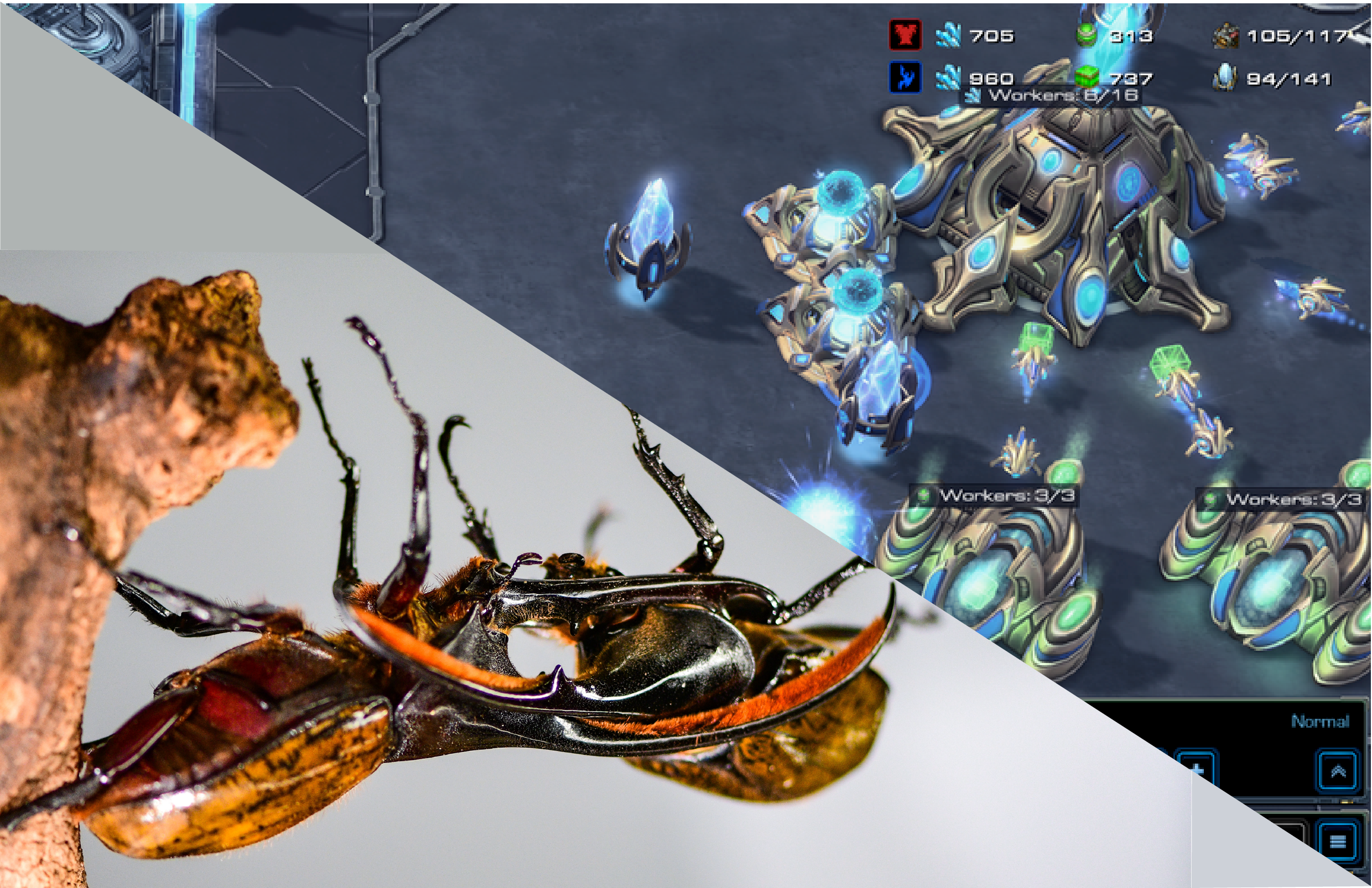
Using cybernetic combatants to study the role of duels in the evolution of extreme weapons
Animal weapons are predicted to reach the largest size and exaggeration in systems where individuals fight one-on-one duels, but testing this in animals or humans is difficult. We used a computer war game with artificial intelligence combatants to examine how duel-like versus multi-opponent battles affect the advantage of stronger fighters. This study (published in 2020) was reported in Proceedings of the Royal Society B.
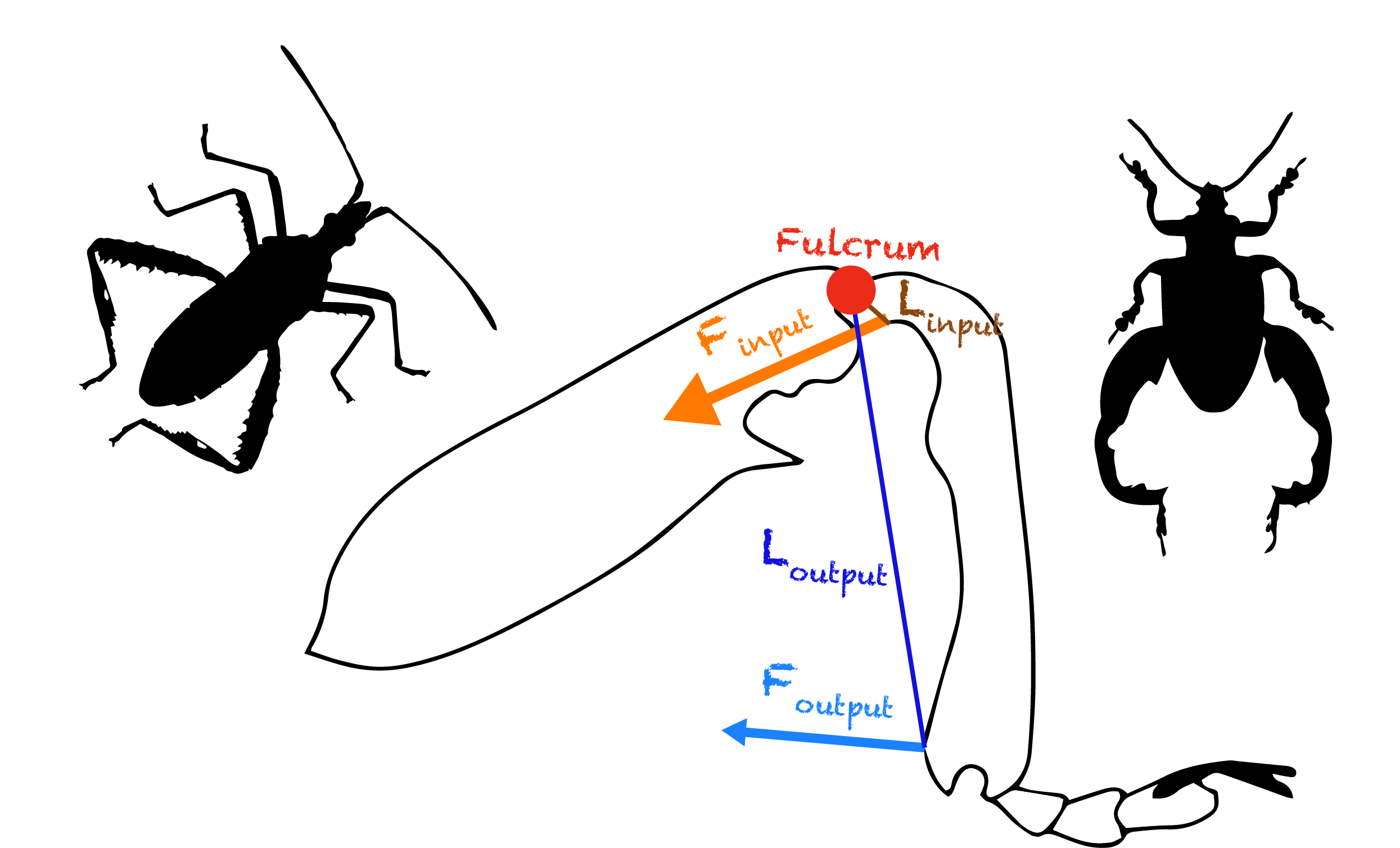
Mechanical Challenges in Hindleg Weapon Evolution
Sexually selected weapons often face trade-offs between size and performance, as larger weapons can impair mechanical efficiency. We investigated how hindleg weapons in frog-legged beetles (Sagra femorata) and leaf-footed cactus bugs (Narnia femorata) balance these challenges, using direct force measurements to assess performance across weapon sizes. This study (published in 2018) was reported in PLOS ONE.
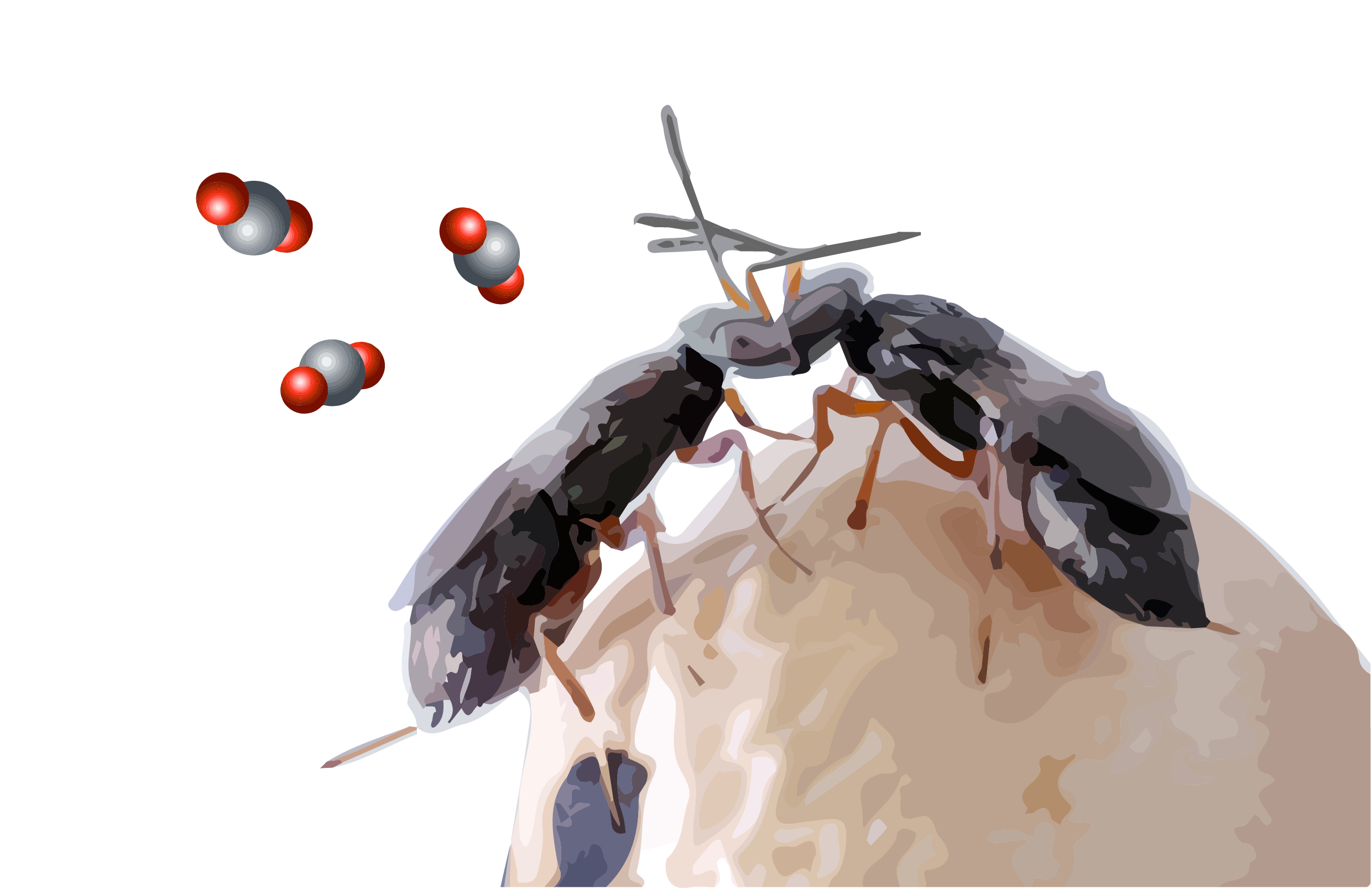
Metabolic costs of fighting and oviposition in parasitic wasps
Accessing and exploiting oviposition sites can be energetically costly for female parasitic wasps, especially when competitors are present. We measured the metabolic costs of fighting and drilling into seeds in the seed-drilling wasp Eupelmus vuilleti to better understand their reproductive strategies and the occurrence of superparasitism — when females lay eggs in hosts that are already parasitized, leading to larval competition. This study (published in 2017) was reported in Journal of Experimental Biology and featured in Inside JEB.
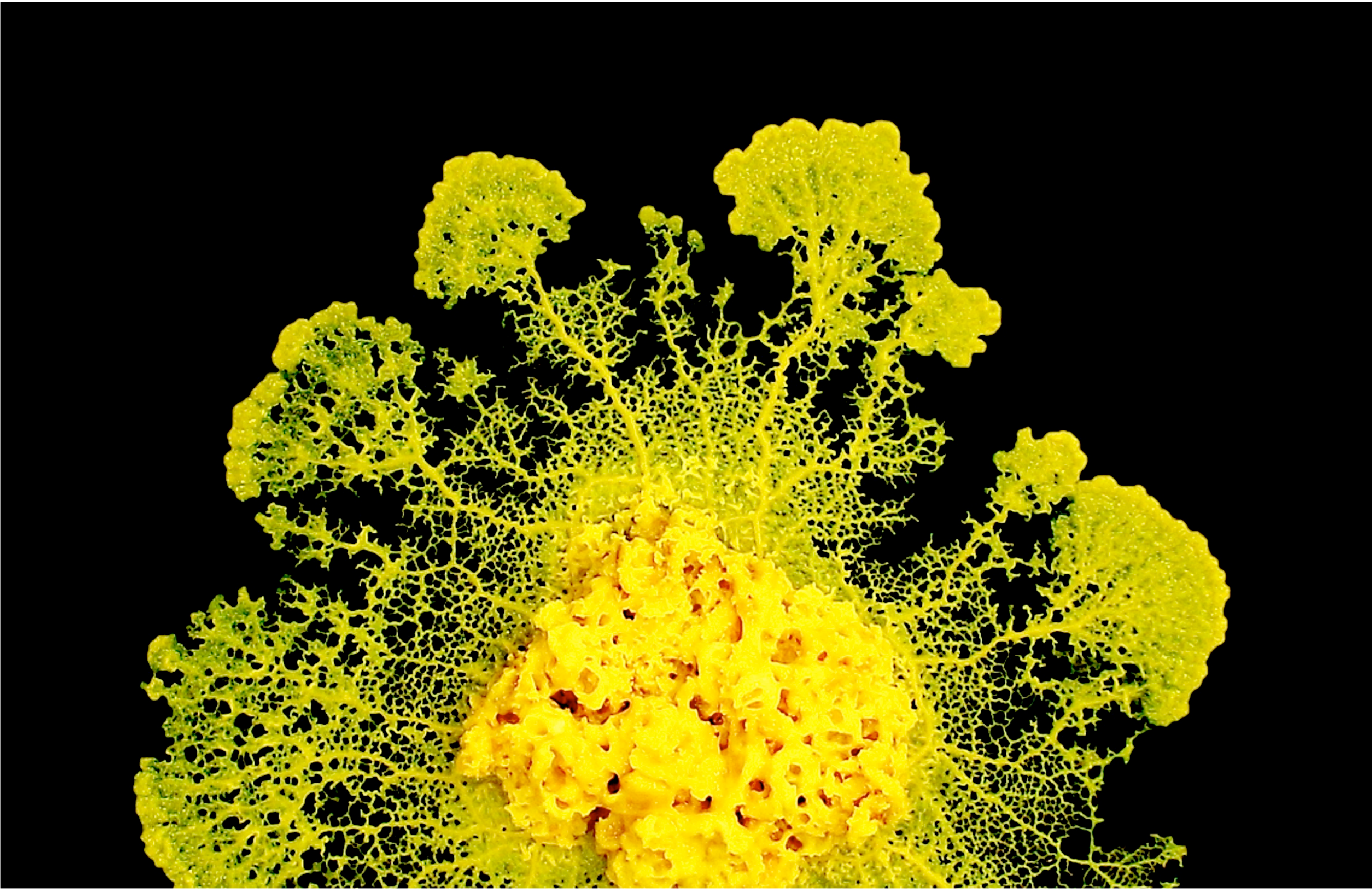
Learning in slime molds
Learning is typically associated with animals that have nervous systems, but non-neural organisms may also possess this ability. We showed that the slime mold Physarum polycephalum can exhibit habituation — a simple form of learning—by learning to ignore repeated chemical stimuli and responding again after a delay. This study (published in 2016) appeared in Proceedings of the Royal Society B and was then featured in many different news outlets, including Los Angeles Times, Nature, and The Washington Post.
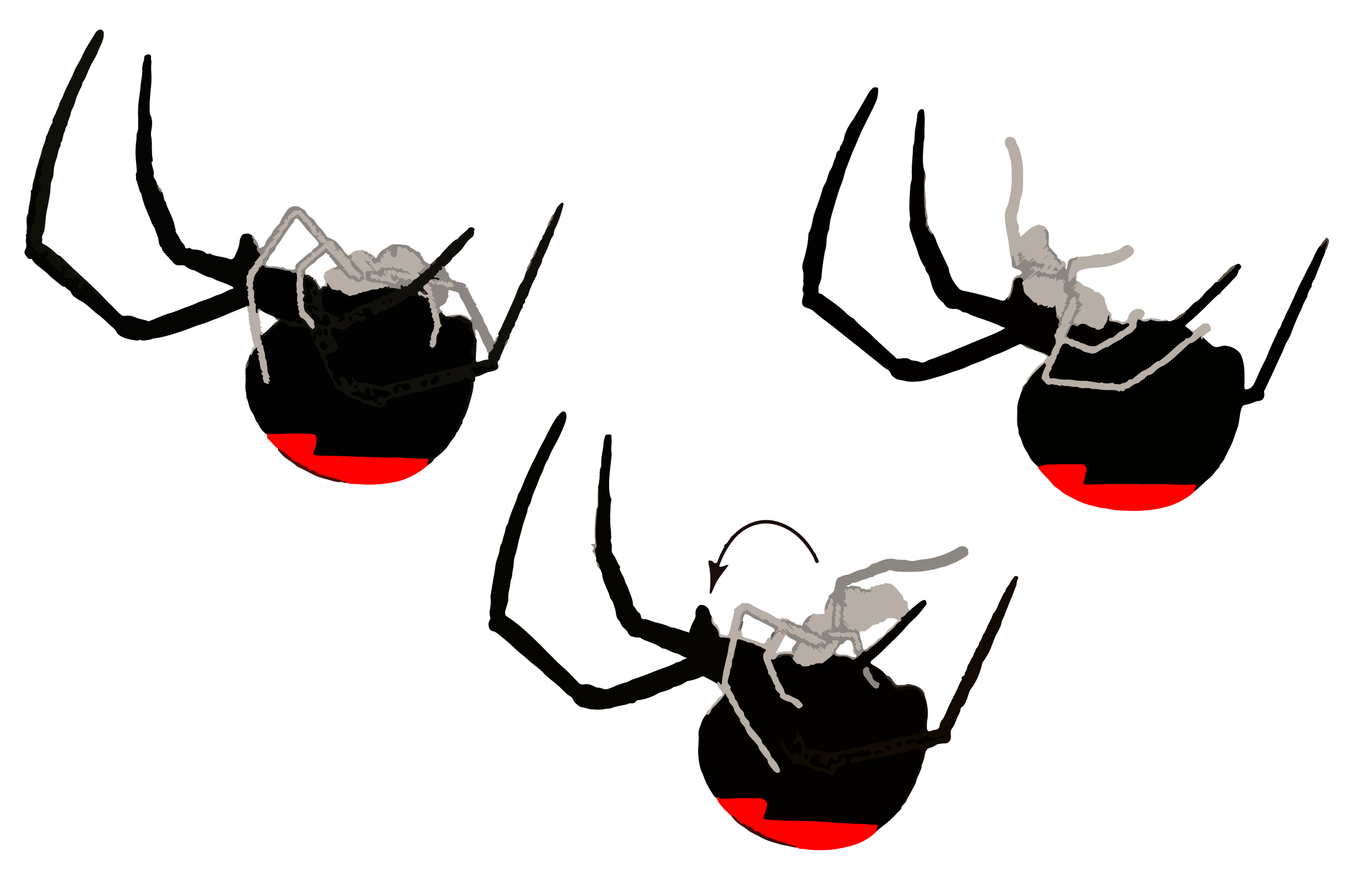
Fitness consequences of different types of cannibalism in widow spiders
Cannibalism can occur in different contexts, but its effects on offspring are rarely compared. We examined sexual cannibalism—when females consume males during mating—and nonsexual cannibalism in redback spiders (Latrodectus hasselti) to assess impacts on offspring survival, growth, and female reproductive traits. This study (published in 2016) appeared in Behavioral Ecology.
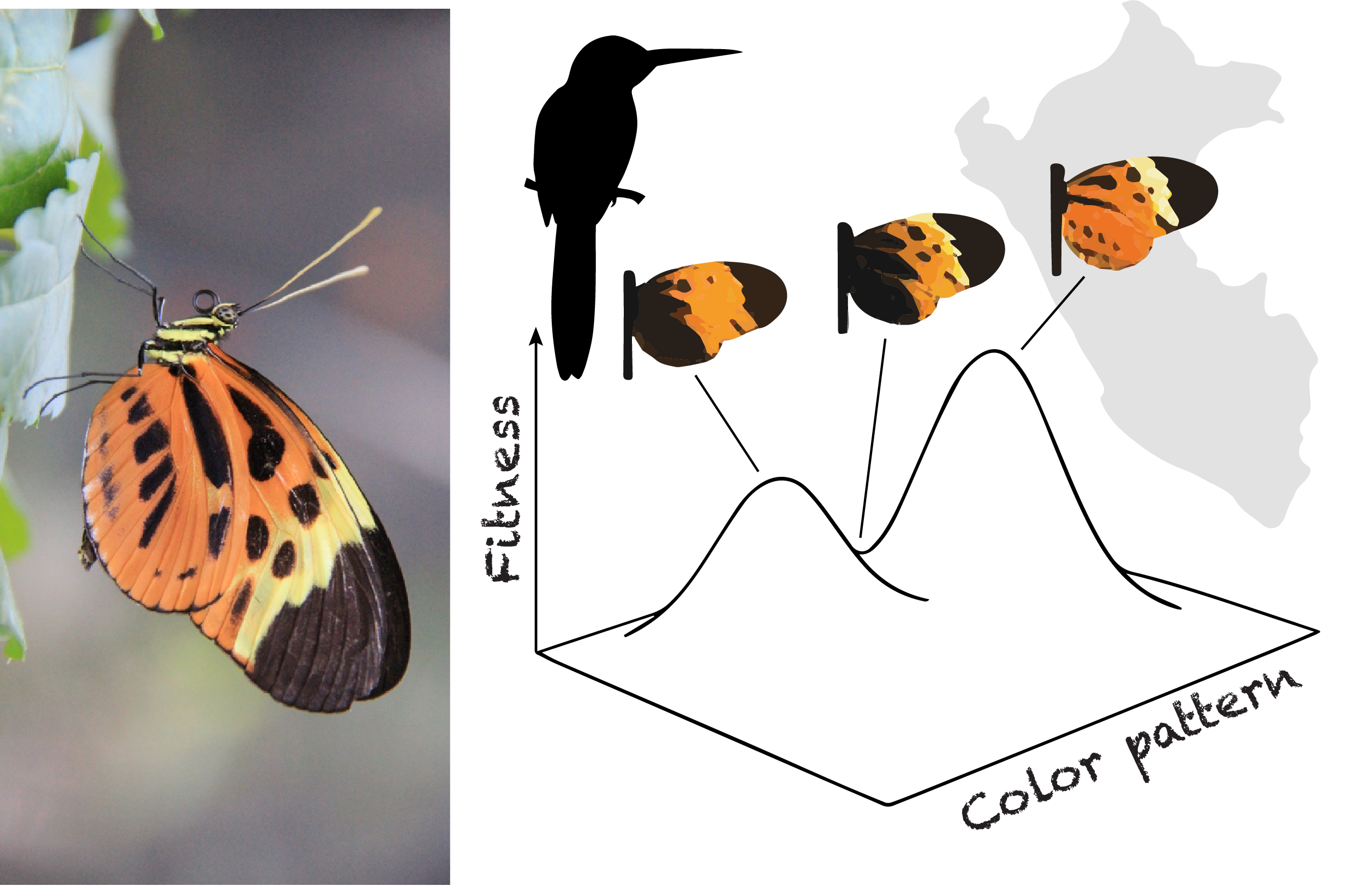
Predation and fitness landscapes in polymorphic Heliconius butterflies
Polymorphic mimicry allows some species to display multiple adaptive color patterns, but intermediate phenotypes can fall into “fitness valleys” with higher predation risk. We tested how predators shape these fitness landscapes using over 5,000 artificial butterflies mimicking the polymorphic Müllerian mimic Heliconius numata, examining predation on homozygous, heterozygous, and exotic color patterns in the field in Peru. This study (published in 2016) appeared in Proceedings of the Royal Society B.